








Blogs
TileDB and Strand Life Sciences: Solving Genomic Data Bottlenecks with Unified Data Architecture and AI Analytics
Since the completion of the Human Genome Project in 2003, genome sequencing has evolved from a decade-long, multi-billion-dollar effort to an accessible, high-throughput process achievable in days. This innovation, powered by NGS, has generated an unprecedented scale of genomic and clinical data that fuels precision medicine and drug discovery.
However, the rapid expansion of data has also presented significant challenges in the management of large genomic data. A 2025 Nature Scientific Reports study highlights these barriers, emphasizing that genomic data (which often exceeds 100 GB per genome) demands advanced frameworks for secure, scalable, and reproducible analysis. Without such efficient data infrastructure, the potential of genomics to accelerate therapeutic development will be constrained by storage and computational bottlenecks.
The Omnimodal Intelligence of TileDB Carrara
TileDB’s Carrara platform presents a solution to this challenge through a unified data architecture designed to address the fundamental challenges of large-scale omics data management. Using powerful shape-shifting arrays, Carrara integrates multi-omics datasets spanning genomics, proteomics, and imaging into a single versioned data environment. This enables an omnimodal intelligence platform that empowers organisations to govern and analyse all types of data across diverse tools and pipelines.
Carrara’s storage model ensures efficient querying and reproducibility across cloud and on-premise environments in accordance with FAIR principles. By enabling secure data sharing and scalable computation, Carrara facilitates collaboration between research teams and systems. The platform’s emphasis on data clean rooms ensures that Carrara meets the highest regulatory and security standards, making it a strong and trusted foundation for modern genomic research and clinical translation.
Strand’s Bioinformatics Analysis Capabilities
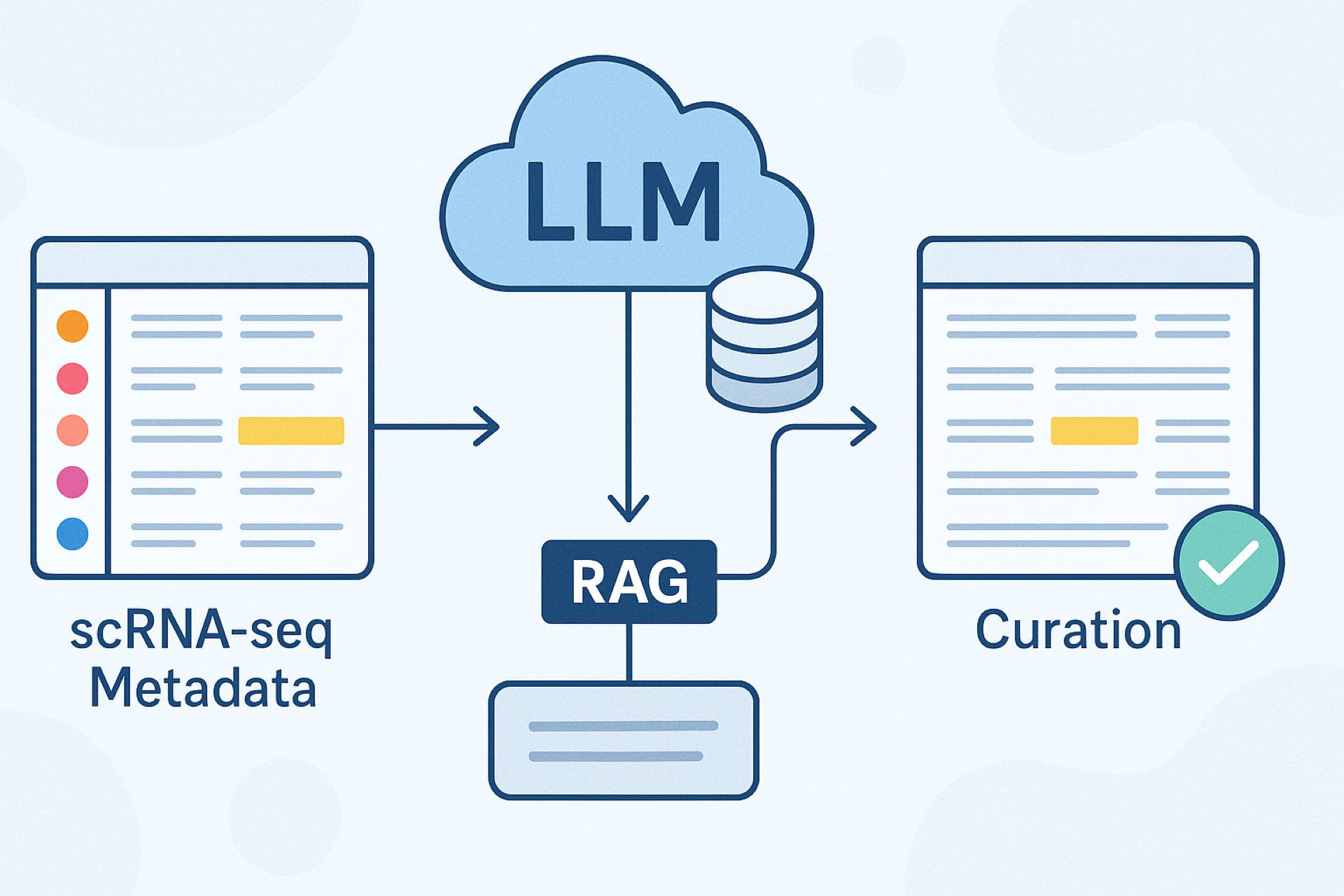
Strand Life Sciences addresses many data standardisation and analyses challenges through automated, AI-driven bioinformatics workflows that transform raw omics data into analysis-ready formats, and then apply advanced foundation models to obtain translational outcomes.
The team at Strand uses integrated pipelines combining embeddings from large single-cell models, chemical-structure representations, and response-data to generate predictive models of drug sensitivity and cell-type behaviour that support biomarker discovery and patient-cohort stratification.
Analytical outcomes from these systems include gene-function classification, cell-type annotation, and drug-response modelling for diverse therapeutic contexts. The Strand scRNA Portal has also proven highly efficient at accelerating single-cell data processing for translational insights. Strand’s bioinformatics pipelines deliver rapid, scalable bioinformatics solutions that streamline the transition from data generation to clinical insight.
Looking Ahead
The complexities of managing large omics data and the normalization and standardization of disparate genomic data are two major hurdles in the efficient utilization of genomic and clinical data for precision medicine and drug discovery research.
The convergence of TileDB’s Carrara data management and analysis infrastructure with Strand Life Sciences’ bioinformatics expertise presents a promising opportunity to address these challenges and further pharmaceutical research. Together, these technologies can bridge the gap between data generation, curation, and analytics to create a unified framework for scalable, secure, and insight-driven research.
Carrara’s efficient data management and analysis architecture, when integrated with Strand’s analytical depth and automation capabilities, can enable end-to-end genomic data workflows ranging from raw sequencing to biomarker discovery to translational applications. Such collaboration promises to accelerate discovery timelines, improve data governance, and advance research in clinical and translational domains.

Let's Connect
Let's Connect

download the case study.