











Agricultural Technology Solutions
Agricultural Technology Solutions
Bioinformatics, Data Science and Data Management solutions for the entire agricultural pipeline

Quick Facts
Quick Facts
Our pipelines have an arsenal of tools ready, depending on the requirements, backed by StrandNGS across Genomics, Transcriptomics, and Customized Bioinformatics, as well as core expertise in building custom data pipelines
Data Democratization and Harmonization to make meaning out of heterogeneity
Our experience spans a wide range of commercially-relevant species from cereals, edible fruits, vegetables, row crops and millets to insectivorous plants, including navigating new plant genome assemblies
Expertise in custom Bioinformatics and NGS to unlock novel targets
Science-driven programmers with 25 years of expertise, supported by 500+ specialists and contributing to research cited over 30,000 times.
Data infrastructure and AI/ML-enablement to enable efficiency and decision-making
In one study, we identified 11,200 differentially expressed genes (DEGs) in Foxtail Millet of which 16 were conserved across 3 lines that can potentially be leveraged for targeted discovery
We are currently working with Onion (Allium cepa) - among the largest plant genomes (+ 16 G)
Key Highlights
Key Highlights

01
Discover Novel Targets from Molecular Data
Apply our scientifically rigorous Bioinformatics expertise to your molecular data to discover the next-generation of novel molecules and traits

02
Unlock Lab, Greenhouse and Field Trial Efficiencies
Our deep expertise in customizing data capture systems enables Design-Build-Test-Learn cycles across the entire Product Development Life Cycle

03
Enable Rapid and Traceable Advancement Decisions
Democratize the consumption of your R&D data by experts and decision-makers in your organization through our intuitive conversational AI interfaces and BI dashboards

04
Leverage Data Harmonization to Drive Value from Heterogeneous Data
Harmonize your biological and non-biological data from multiple sources, be it the farm, the production facility or the lab, through uniformization, ontologies and controlled vocabulary. We understand the heterogeneity of the data used to drive the next generation of Agri Tech products.
Case Studies
Case Studies
- Wheat powdery mildew is a globally significant problem. It reduces wheat yields by up to 40–45% by disrupting photosynthesis, accelerating water loss, and increasing respiration. Caused by Blumeria graminis, this fungus thrives in cool, humid conditions, creating white, powdery patches on leaves that can cause premature death and stunt plant growth (Reference). Given the rapid development cycle as well as the high evolutionary adaptability of this fungus against control solutions, as well as the high socio-economic importance of Wheat, identifying solutions to improved Wheat resilience is critical.
Problem:
- To support such global efforts, we conducted a targeted genomics analysis focused on the Pm4b powdery mildew resistance gene. We identified high-confidence Single-Nucleotide Polymorphisms (SNPs) differentiating Pm4b positive and Pm4b negative lines which can potentially be used in marker-assisted breeding.
To link variants directly to the resistance phenotype, the multi-sample SNP dataset was filtered rigorously, retaining only high-confidence variants present exclusively in Pm4b positive (resistant) samples. This stringent filtering process produced 3,425 significant SNPs. Since Pm4b is known to lie in the distal region of chromosome 2A, subsequent genome browser inspection was focused precisely on that interval.
Analysis:
- Our analysis revealed genomic regions that can be exploited to improve wheat resilience. Focusing on the distal region of chromosome 2A (where Pm4b lies), a detailed inspection identified 55 potential SNP markers for powdery mildew resistance. These candidates identify a promising direction for future agricultural solutions through breeding and biotech approaches.
Outcome:
For further insights, read our blog post that delves more into the fascinating work that was carried out:
https://us.strandls.com/blog/identification-of-snp-markers-in-pm4b-gene-of-wheat- Arbuscular Mycorrhizal Symbiosis (AMS) is among the most common and well-studied plant-microbe symbiotic associations. Arbuscular Mycorrhizal (AM) fungi provide an important ecological benefit to plants by improving plant nutrition, stress resistance and tolerance, soil structure and fertility (Reinhardt et. al. 2018). These fungi create extensive hyphal networks that act as an extension of the root system, significantly increasing water and nutrient absorption in arid, nutrient-poor, or marginal soils where millets are typically grown. Understanding and leveraging AMS in Millets, as well as other critical food crops, is one of the key directions to improve climate resilience of food crops.
Problem:
- We carried out a case study on Foxtail Millet (Setaria italica) to identify genes controlling AMS that can be leveraged to improve resilience. We were able to identify 11,229 differentially expressed genes (DEGs), including 26 AMS-conserved orthologs, where 16 were consistently induced across all three tested millet lines, suggesting a role in core regulatory mechanisms. We found that the TT8 genotype of S. italica exhibited the strongest overall AMS response and the highest induction (25 genes), with Gene Ontology (GO) processes enriched in phosphate transporter-related processes, and the ICE36 genotype showed the lowest induction (17 genes). We also saw that Hanevalval and ICE36 were enriched in cell-wall organization & biogenesis-related processes.
Analysis:
- The strong AMS response in the TT8 cultivar offers valuable insights for breeding nutrient-efficient and stress-resilient millets, and other commercially relevant food crops. Targeting molecular mechanisms such as this can deliver the next generation of food crops adapted to a rapidly changing global climate. To learn more about this work, check out this tech note.
Outcome:

Problem
- Wheat powdery mildew is a globally significant problem. It reduces wheat yields by up to 40–45% by disrupting photosynthesis, accelerating water loss, and increasing respiration. Caused by Blumeria graminis, this fungus thrives in cool, humid conditions, creating white, powdery patches on leaves that can cause premature death and stunt plant growth (Reference). Given the rapid development cycle as well as the high evolutionary adaptability of this fungus against control solutions, as well as the high socio-economic importance of Wheat, identifying solutions to improved Wheat resilience is critical.
Analysis
- To support such global efforts, we conducted a targeted genomics analysis focused on the Pm4b powdery mildew resistance gene. We identified high-confidence Single-Nucleotide Polymorphisms (SNPs) differentiating Pm4b positive and Pm4b negative lines which can potentially be used in marker-assisted breeding.
To link variants directly to the resistance phenotype, the multi-sample SNP dataset was filtered rigorously, retaining only high-confidence variants present exclusively in Pm4b positive (resistant) samples. This stringent filtering process produced 3,425 significant SNPs. Since Pm4b is known to lie in the distal region of chromosome 2A, subsequent genome browser inspection was focused precisely on that interval.
Outcome
- Our analysis revealed genomic regions that can be exploited to improve wheat resilience. Focusing on the distal region of chromosome 2A (where Pm4b lies), a detailed inspection identified 55 potential SNP markers for powdery mildew resistance. These candidates identify a promising direction for future agricultural solutions through breeding and biotech approaches.
For further insights, read our blog post that delves more into the fascinating work that was carried out:
https://us.strandls.com/blog/identification-of-snp-markers-in-pm4b-gene-of-wheat
Problem
- Arbuscular Mycorrhizal Symbiosis (AMS) is among the most common and well-studied plant-microbe symbiotic associations. Arbuscular Mycorrhizal (AM) fungi provide an important ecological benefit to plants by improving plant nutrition, stress resistance and tolerance, soil structure and fertility (Reinhardt et. al. 2018). These fungi create extensive hyphal networks that act as an extension of the root system, significantly increasing water and nutrient absorption in arid, nutrient-poor, or marginal soils where millets are typically grown. Understanding and leveraging AMS in Millets, as well as other critical food crops, is one of the key directions to improve climate resilience of food crops.
Analysis
- We carried out a case study on Foxtail Millet (Setaria italica) to identify genes controlling AMS that can be leveraged to improve resilience. We were able to identify 11,229 differentially expressed genes (DEGs), including 26 AMS-conserved orthologs, where 16 were consistently induced across all three tested millet lines, suggesting a role in core regulatory mechanisms. We found that the TT8 genotype of S. italica exhibited the strongest overall AMS response and the highest induction (25 genes), with Gene Ontology (GO) processes enriched in phosphate transporter-related processes, and the ICE36 genotype showed the lowest induction (17 genes). We also saw that Hanevalval and ICE36 were enriched in cell-wall organization & biogenesis-related processes.
Outcome
- The strong AMS response in the TT8 cultivar offers valuable insights for breeding nutrient-efficient and stress-resilient millets, and other commercially relevant food crops. Targeting molecular mechanisms such as this can deliver the next generation of food crops adapted to a rapidly changing global climate. To learn more about this work, check out this tech note.
Plant Species Across Our Genomics Studies
Plant Species Across Our Genomics Studies
Some species we’ve worked with in the past, reach out to us for help with analysing the plant, insect, fungi, and microbial species you’re interested in.
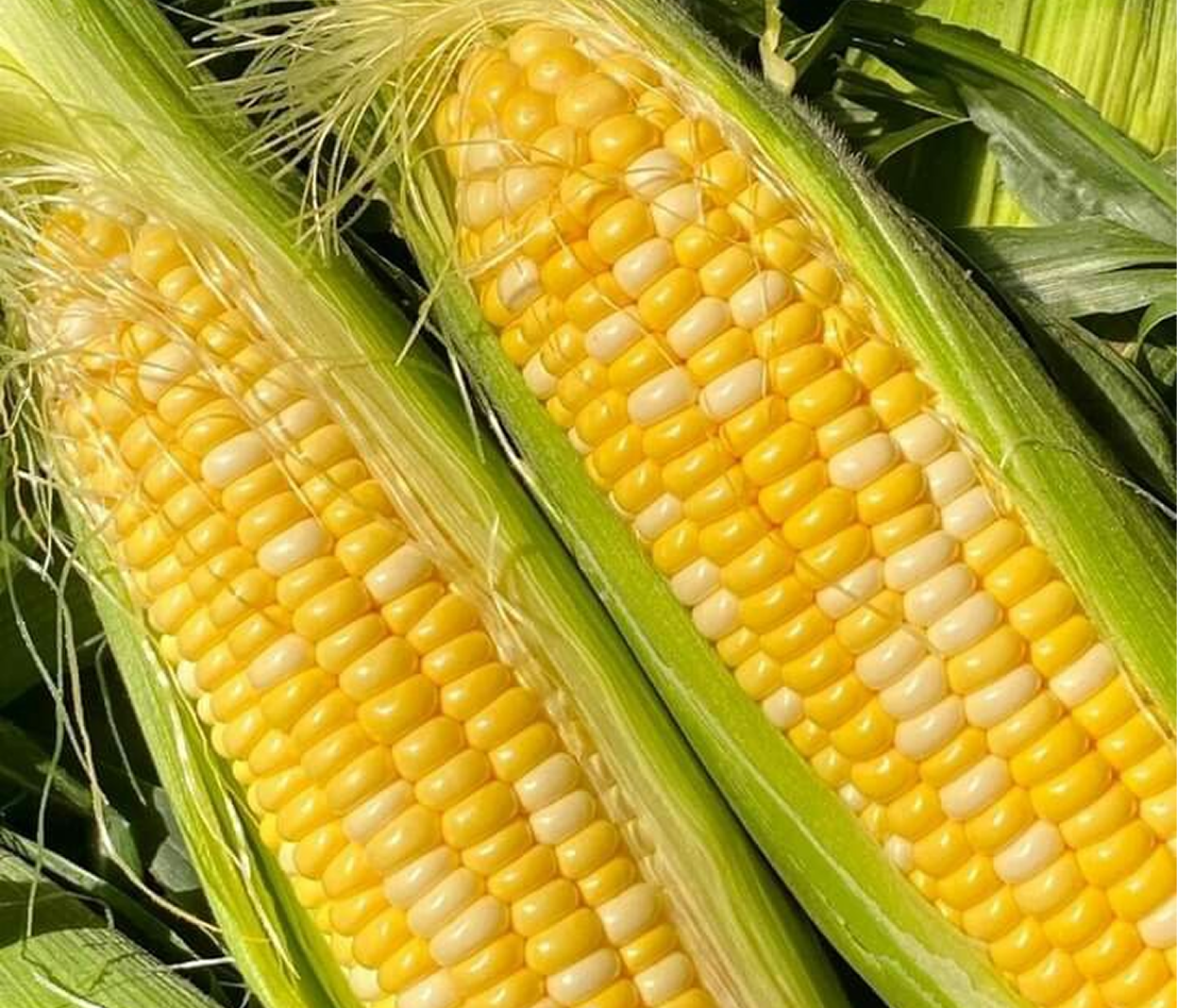
Maize (Zea mays)
Maize is a widely cultivated cereal grain used as food for humans and livestock and also as a raw material in many industries.
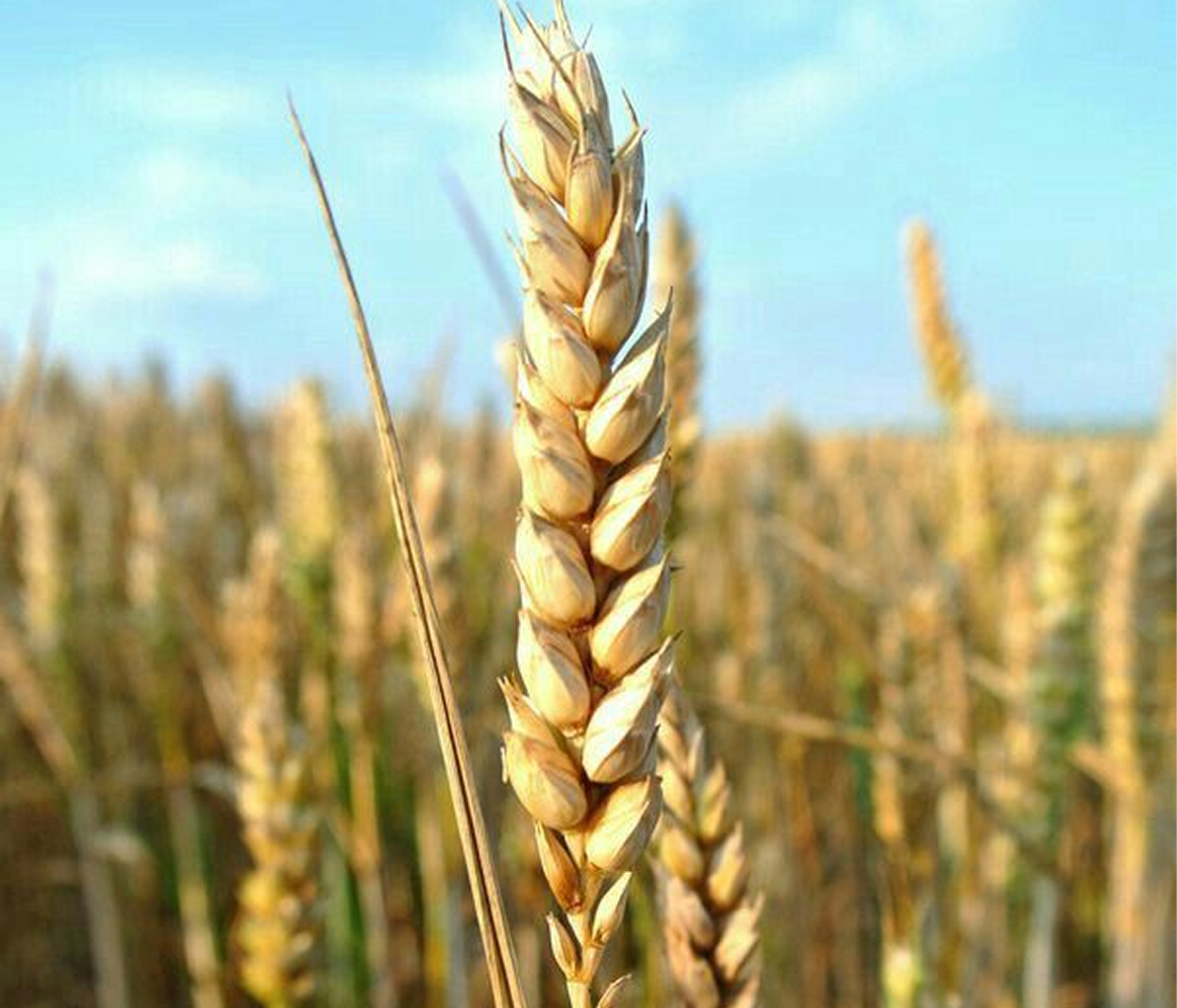
Wheat (Triticum aestivum)
Wheat is one of the most important staple crops in the world and is commonly used to produce flour for bread, pasta, and other foods.
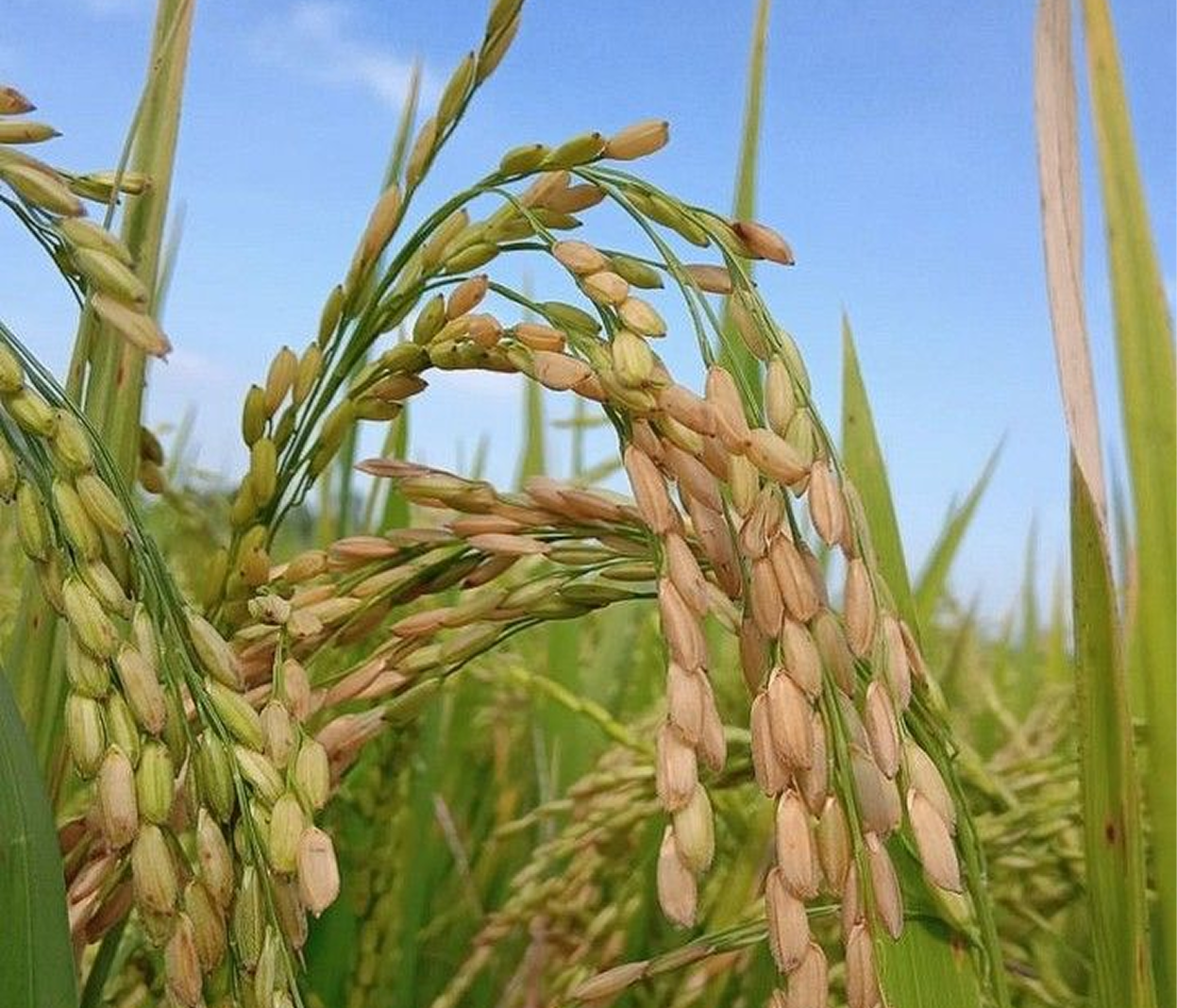
Rice (Oryza sativa)
Rice is a staple food for a large portion of the world’s population, especially in Asia, and is grown in flooded paddy fields.
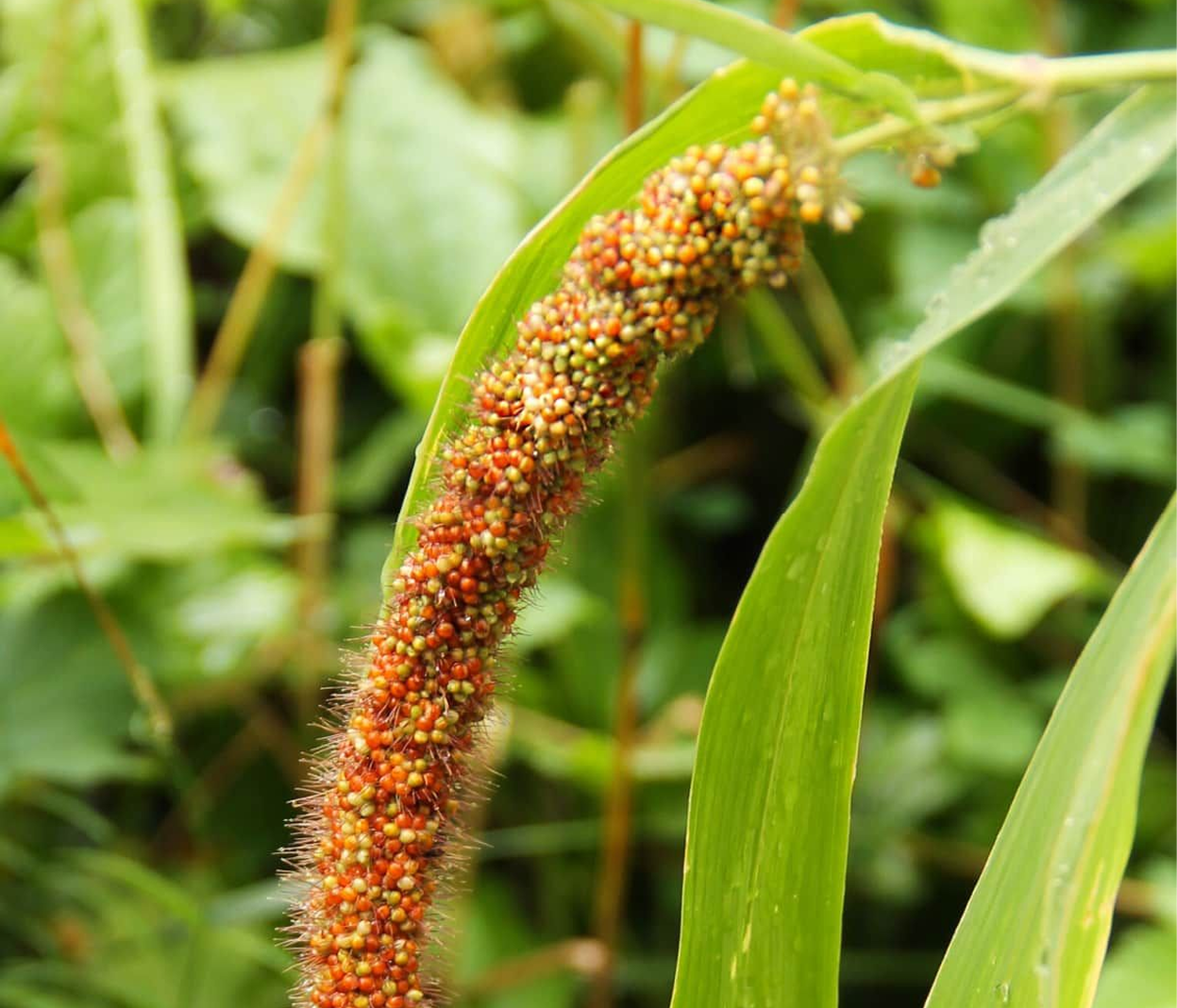
Millets (Finger & Foxtail Millet)
Millets are small-seeded grasses grown as cereal crops, valued for their high nutritional content and drought tolerance.

Utricularia (Bladderwort)
Utricularia is a carnivorous plant that traps tiny aquatic organisms using specialized bladder-like structures.

Drosera (Sundew)
Drosera is a carnivorous plant that captures insects using sticky glandular hairs on its leaves.
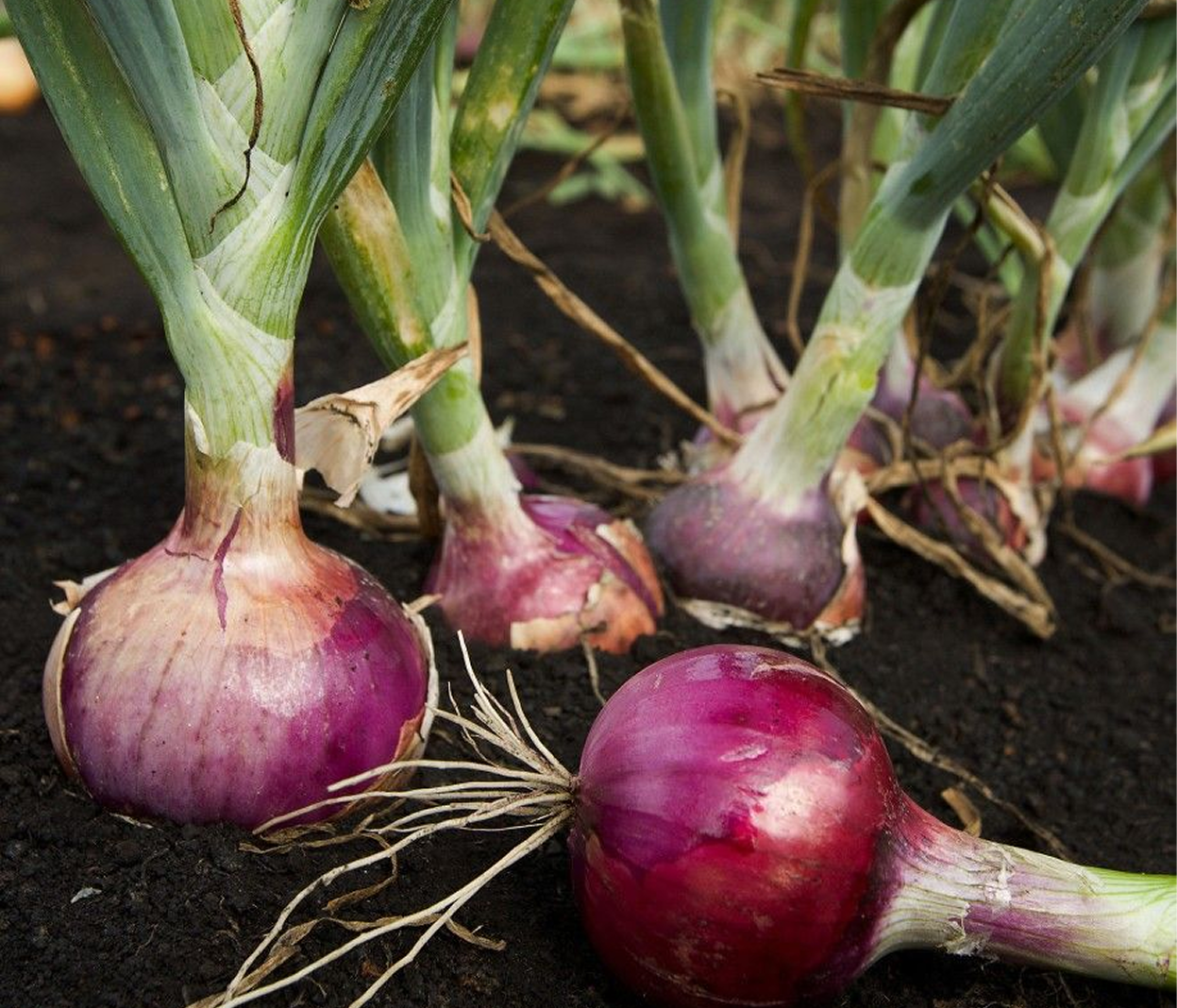
Onion (Allium cepa)
Onion is a widely used vegetable known for its pungent flavor and is commonly used in cooking around the world.

Taro (Colocasia esculenta)
Taro is a tropical plant cultivated for its edible corms and leaves and is widely used in many traditional cuisines.

Gloriosa superba (Flame Lily)
Gloriosa superba is a striking climbing plant known for its vibrant flame-like flowers and medicinal properties.
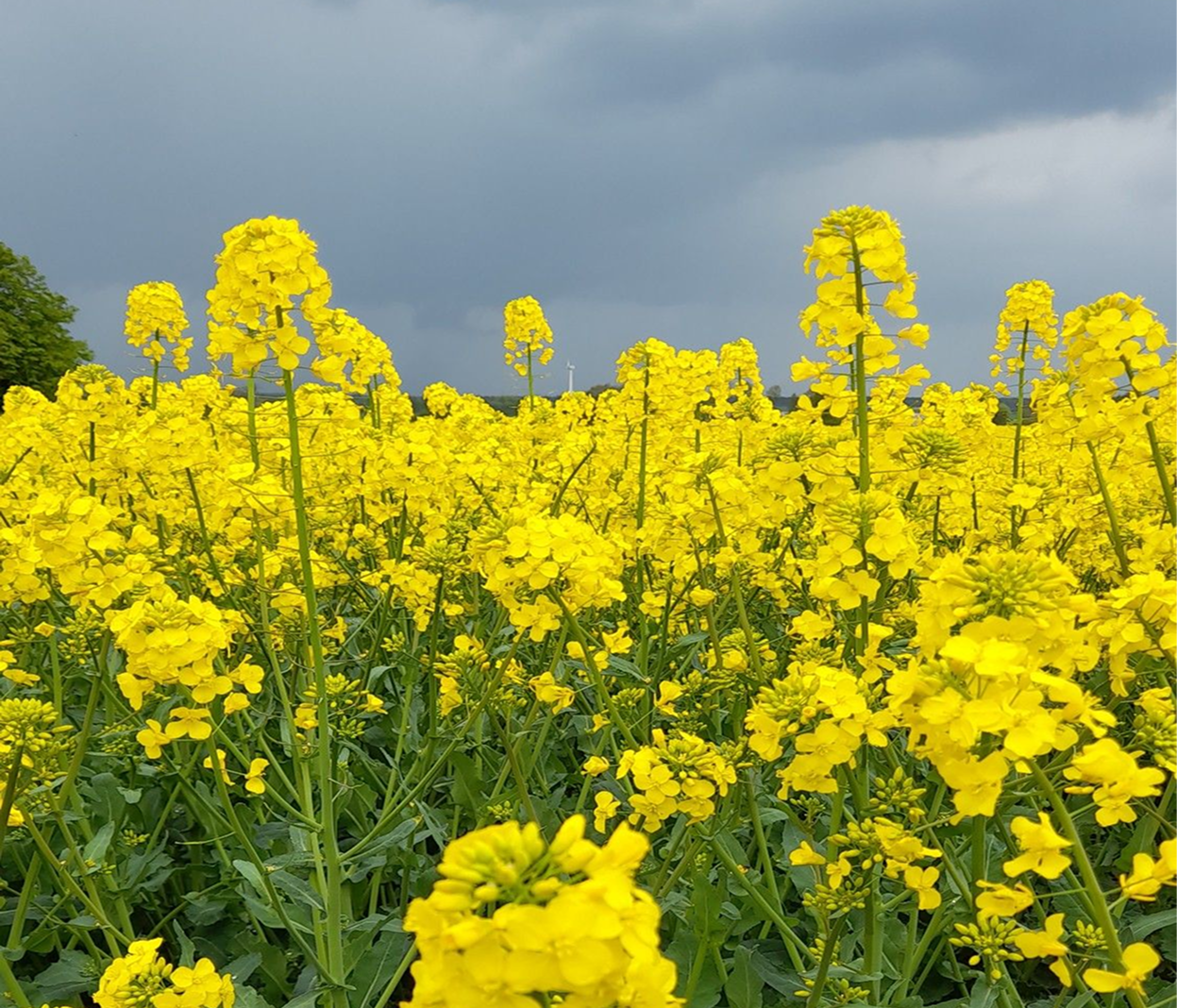
Mustard (Brassica species)
Mustard plants are cultivated for their seeds and leaves, commonly used in cooking, oil production, and condiments.

Nesphostylis bracteata
Nesphostylis bracteata is a leguminous plant species known for its distinctive flowers and botanical importance.
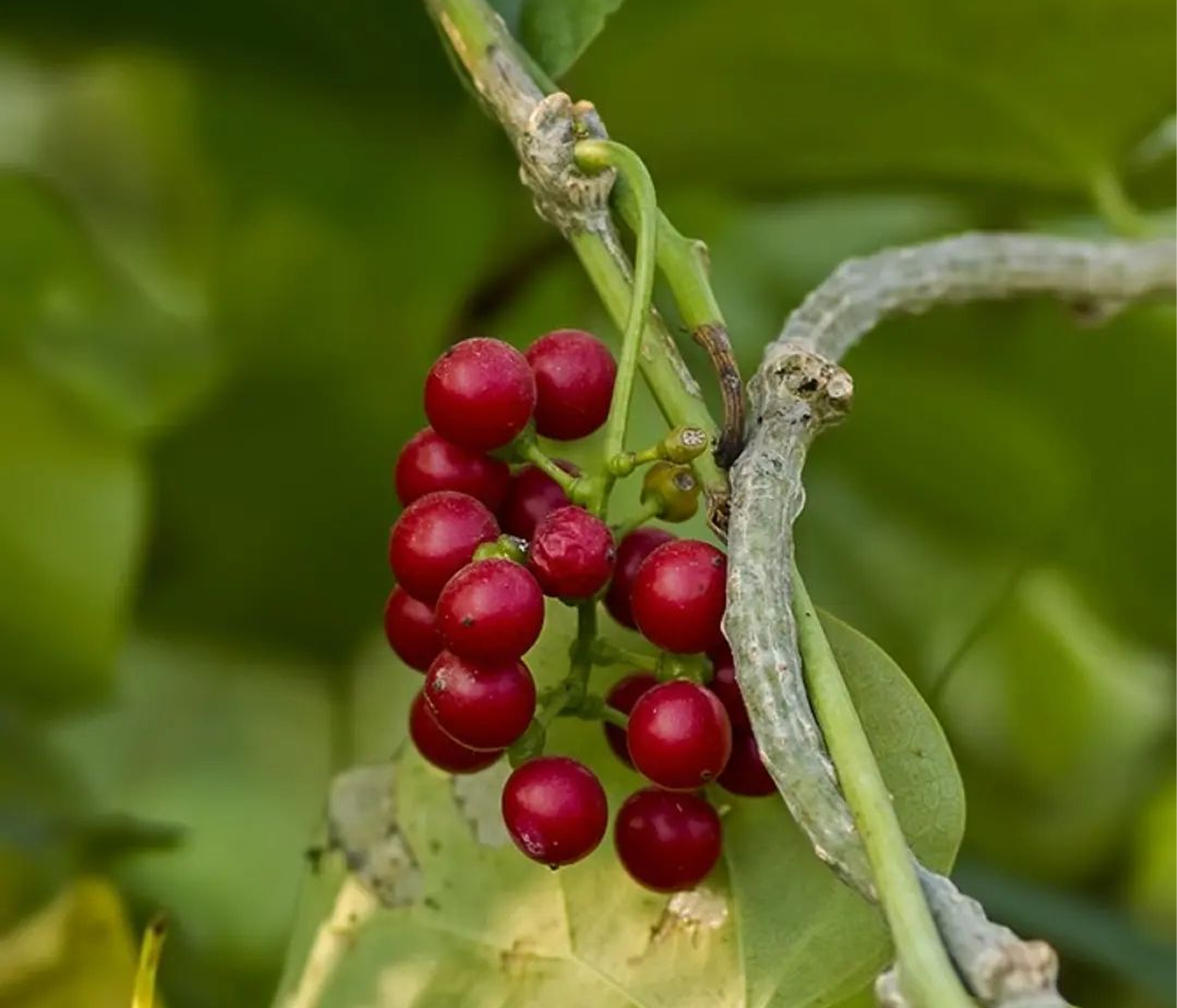
Tinospora cordifolia (Giloy)
Tinospora cordifolia, commonly called Giloy, is a medicinal climbing plant widely used in traditional Ayurvedic medicine.
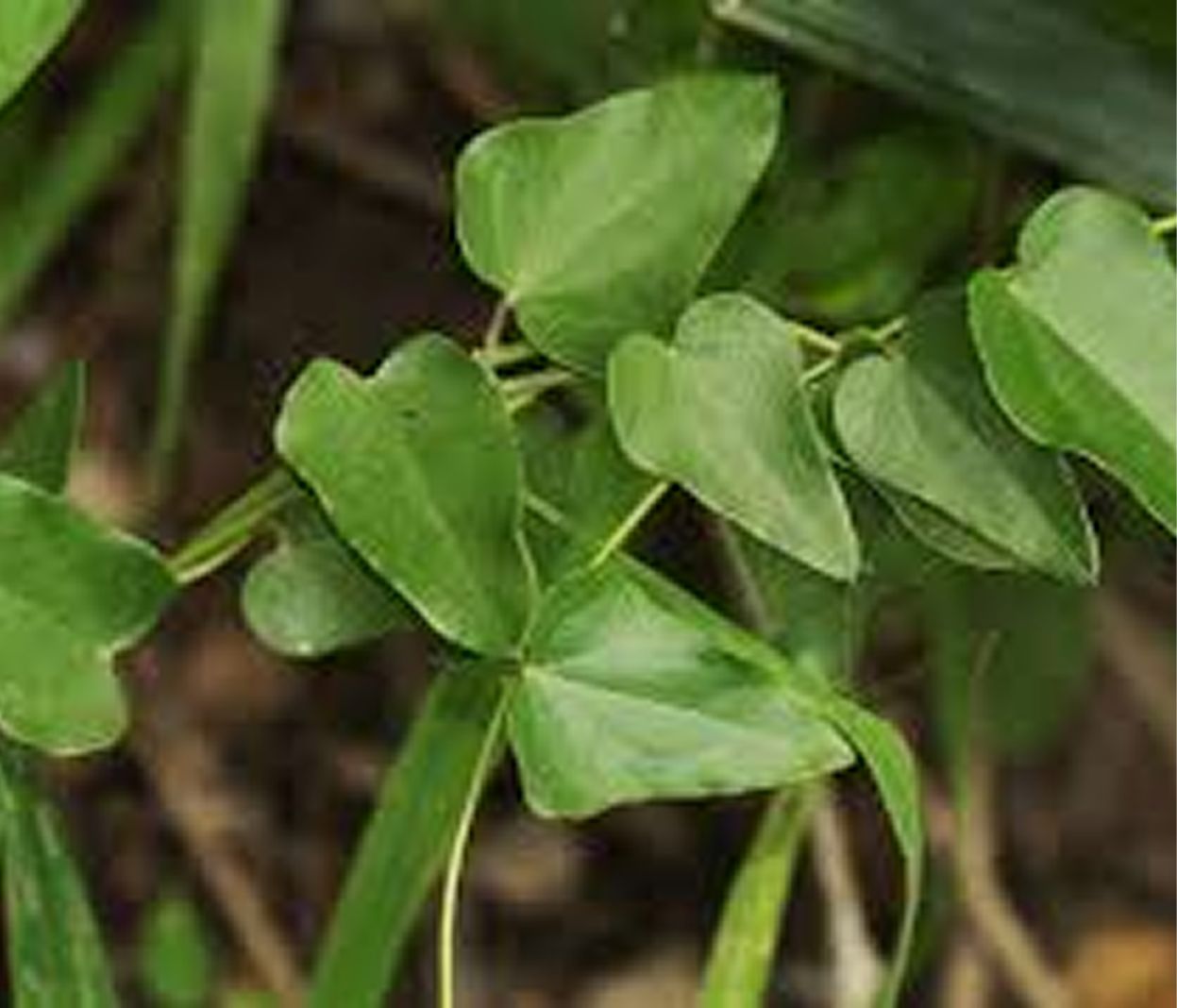
Cocculus hirsutus
Cocculus hirsutus is a medicinal climbing plant traditionally used in herbal remedies in many regions.
Let’s Connect
Let's Connect

download the case study.